
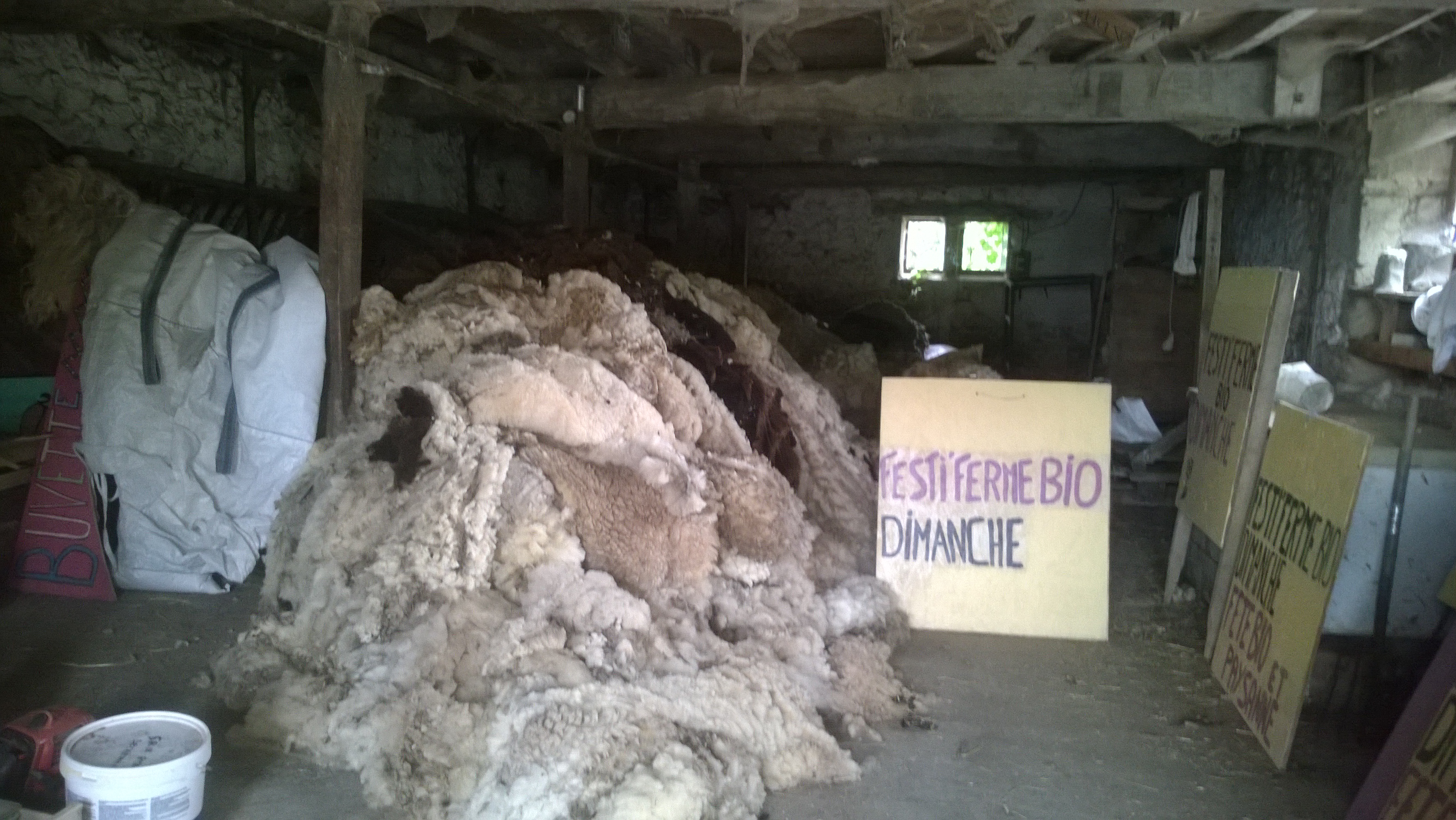
It is a downward spiral of competition and globalisation which, in combination with elimination and a ‘green’ re-orientation of European Union-subsidies, forces farmers to look for alternatives. One avenue is bio-agriculture in which quality, flavour and local tradition is emphasised. Another option is agritourism, which benefits from the infatuation of urban French citizens with the countryside. A third option, widely used also in other parts of Europe, is to let the farmer play a key role in landscape and nature management in its various forms. It appears improbable, however, that these trends will make major inroads in mainstream European agriculture.
Can the farmer be saved? In the summer of 2010, a group of farmers persuaded a fastfood chain to give them permission to sell their fruit and vegetables in the parking place. There was widespread media attention: ‘The raison d’ être of farmers is to feed people and manage the land, not the market…we work with a loss and consumers cannot pay our products…why do I get 17 cents for a kilo of apples and does the consumer pay 1,70 to 3 Euro’? Should the farmer be saved? Consumers benefit from lower prices and global competition forces farmers to be more competitive or leave it to – often poor – farmers elsewhere. From an equity and environmental perspective, that is not necessarily worse than subsidising European, or American, farmers. Inevitably, worldviews and painful trade-offs enter the evaluation.
Leave A Comment