Chapter 11

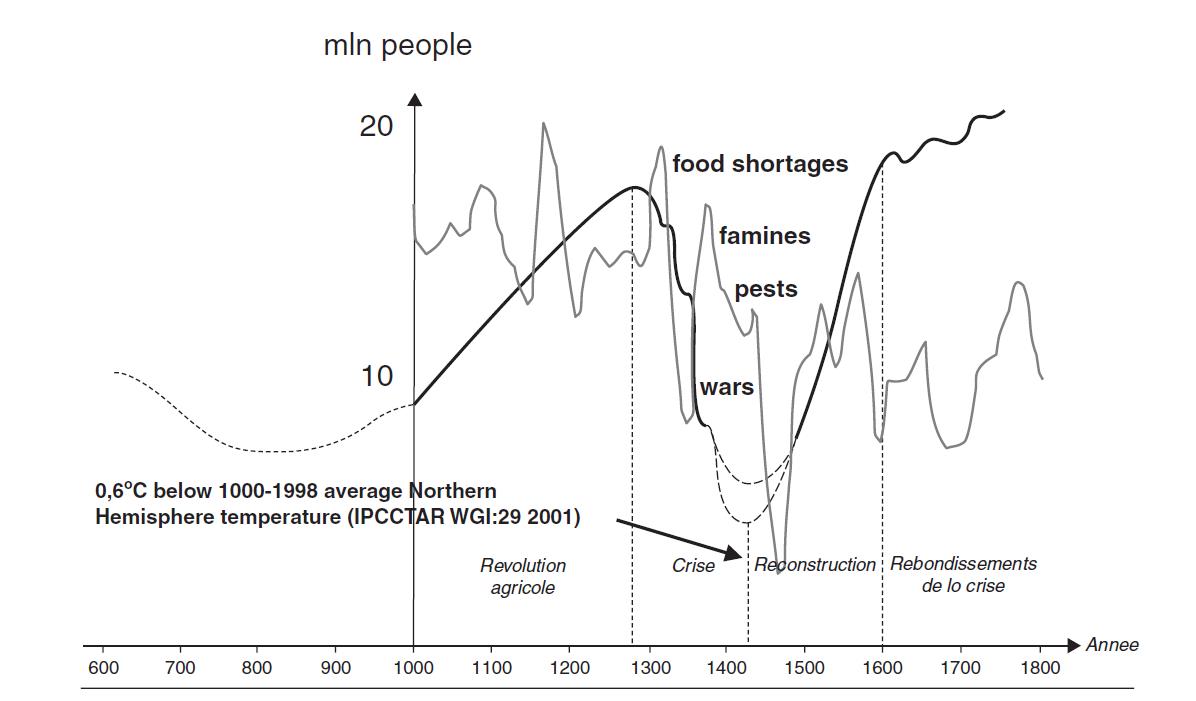
Population overshoot, collapse and recovery: the role of climate change in medieval Europe.

Climatic changes have always played a role in human history. Often, it resulted from large volcanic eruptions, which caused a decline in temperature with serious impacts on food supply. Slow variations in geological evolution and planetary position played a role too, at (much) longer time scales. All climatic changes and their impacts tended to be [...]
By |2024-05-08T10:24:35+00:00May 4th, 2020|Chapter 11, Chapter 12, Chapter 3|0 Comments

Syndromes: in search of generic patterns of vulnerability and resilience

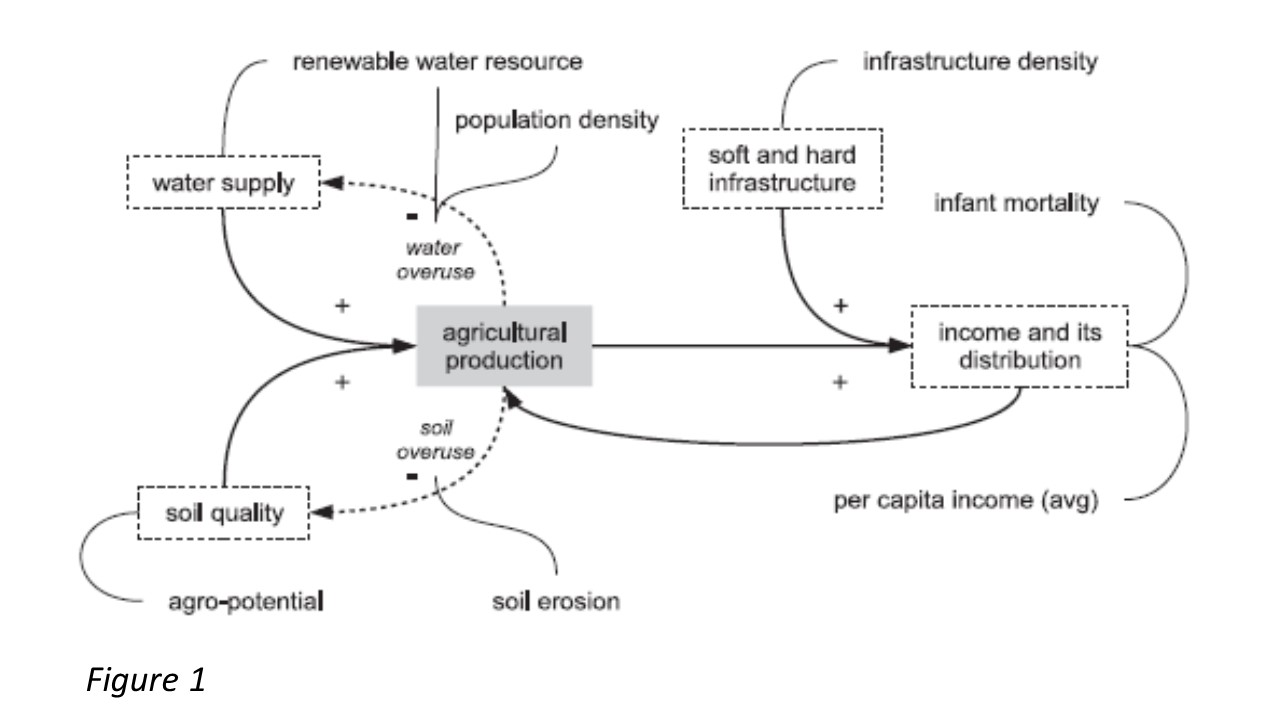
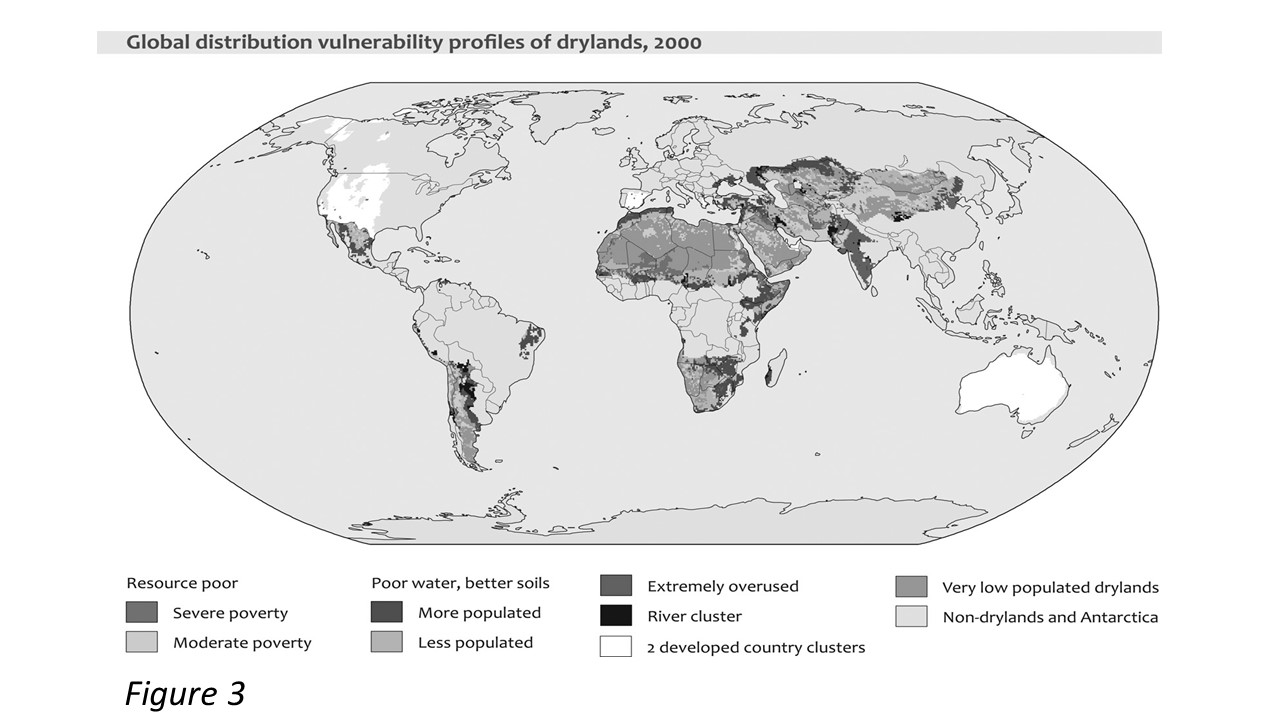
A fragmented, disciplinary approach does not work in sustainability science. A broader perspective transcending disciplinary boundaries is needed. One framework to investigate global change phenomena in such a broader, problem-oriented setting is the syndrome approach, originally proposed by the German Advisory Council on Global Change (WBGU 1994) and later conceptualised and developed at the Potsdam [...]

By |2023-12-09T17:24:58+00:00November 8th, 2019|Chapter 11, Chapter 8|0 Comments

Demographic and territorial overshoot: India and Russia

India since the 16 th century Several historical accounts reinforce the impression that large populations of humans were living close to the environment’s carrying capacity and went through periods of severe food shortages and associated violence and hardship. One such a tale is about India since the 16th century; another one is on Russia in [...]

By |2024-10-01T14:24:30+00:00October 30th, 2019|Chapter 11, Chapter 12, Chapter 3|0 Comments

Nomads in Mongolia*

Nomadic people of the Eurasian steppes have played a significant role in human history. Notable are the records of nomadic invasions in the 4th and 5th century and, later, of the Mongols in the 13th and 14th century. The important role of the horse in warfare and farming is among their contributions, around the interfaces [...]

By |2024-04-07T17:09:36+00:00June 4th, 2015|Chapter 11, Chapter 15, Narratives|0 Comments
Go to Top