Chapter 16

Desalinization: a necessary option?

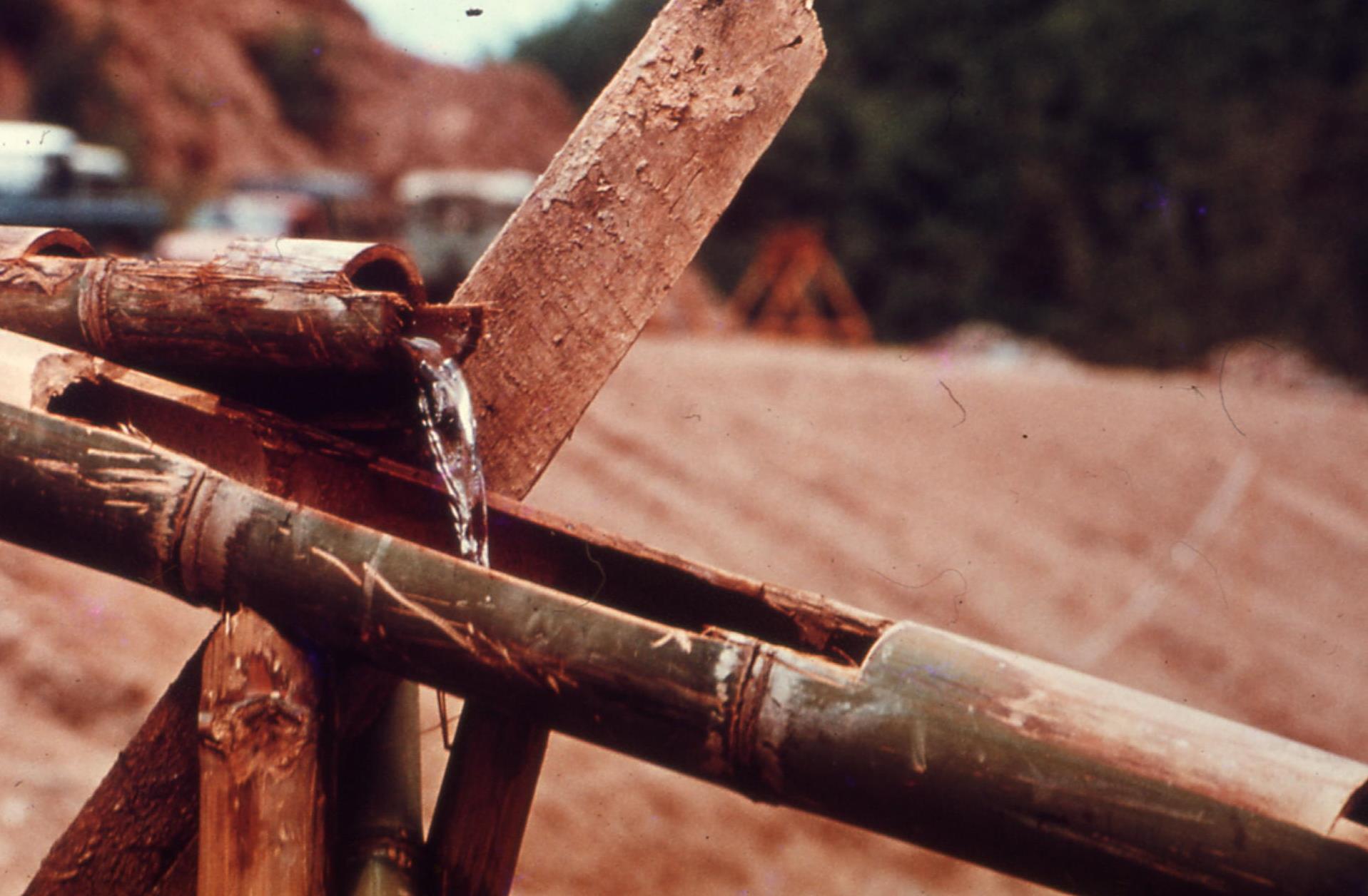
A technology to supply water in relevant amounts is desalinization of seawater. It is at the intersection of water, food and energy issues, because the water for drinking and food is a necessity of life but its production from seawater requires lots of electricity. It competes with other technologies such as extracting water from air. [...]

By |2024-10-02T08:47:33+00:00July 2nd, 2023|Chapter 16, Chapter 17|0 Comments

Drought: the thin line between natural and man-induced change

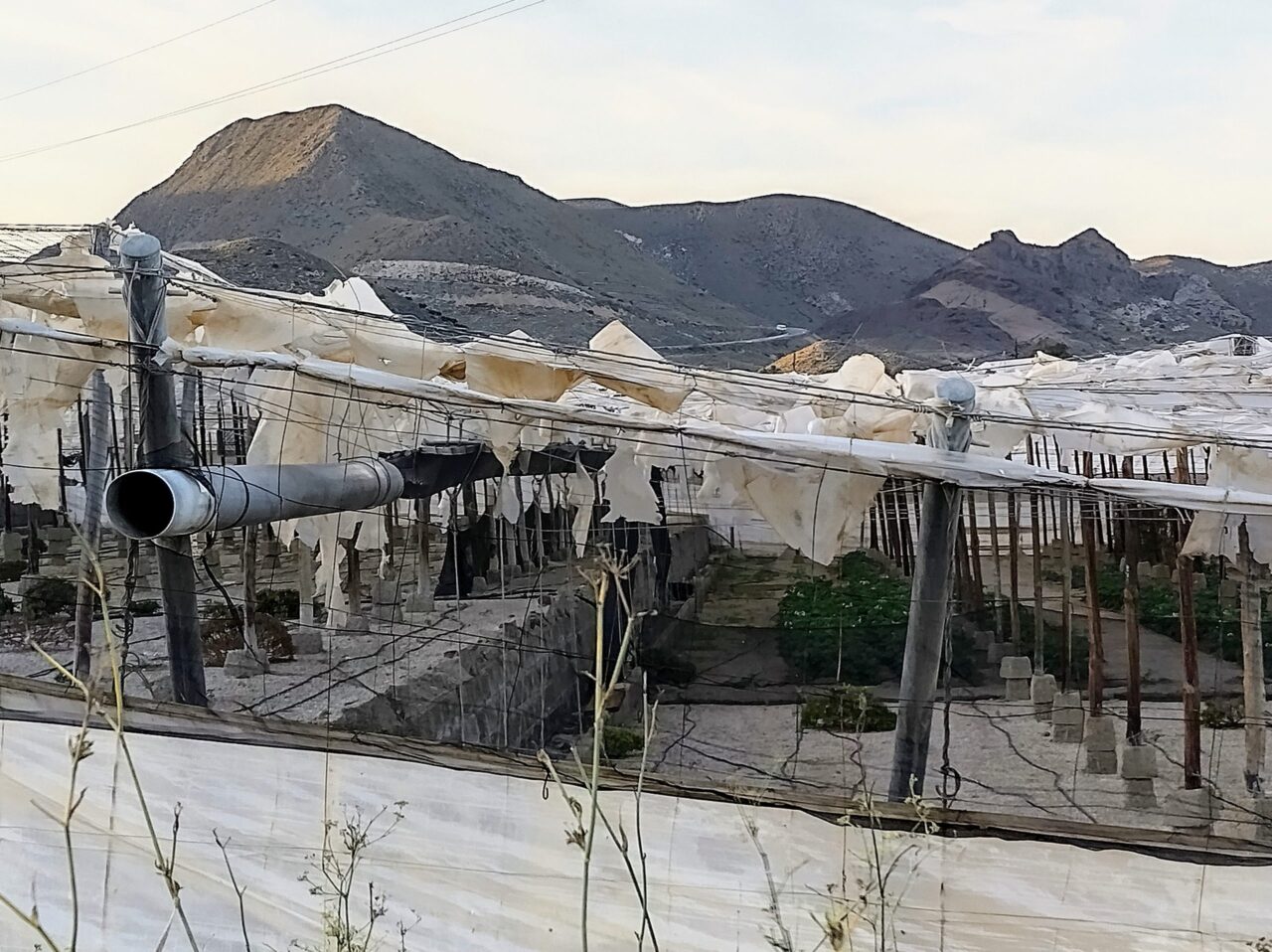
A simplified scheme of the hydrological stocks and flows is given below. The climate variables precipitation and temperature over time are the most important input variables. Rainwater will fall upon the vegetation and partly flow out as runoff and partly evaporate, and the remainder penetrates the soil where it adds to the stock of soil [...]

By |2024-01-24T15:54:17+00:00June 6th, 2016|Chapter 13, Chapter 15, Chapter 16|0 Comments

Sao Paulo drought: water shortage and water governance*

October 2014. Latin America’s biggest metropolis may, again, run out of water. For some of the 20 million residents across Sao Paulo, taps are already running dry. Dilma Pena, chief executive officer of the state-run water utility Cia. de Saneamento Basico do Estado de Sao Paulo (Sabesp), told the city council that supplies are only [...]

By |2024-10-02T10:01:36+00:00July 2nd, 2015|Chapter 16, Narratives|0 Comments

Water as a commodity: ban on bottled water in Australian town*

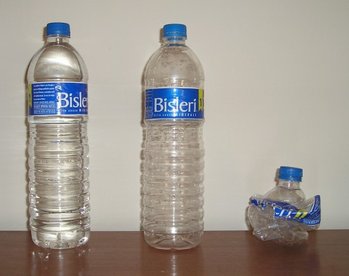
The market has discovered scarcity as something to be desired. The Stock Fund Utilities department of the dutch bank ING announced in 2007:”…prospects remain good. In the states of California and New York energy shortages threaten and it drives the price up.” Similar advertisement are seen for water. Drinking water used to be a service [...]

By |2023-12-09T17:58:31+00:00June 4th, 2015|Chapter 16, Narratives|0 Comments
Go to Top