
What is waste?
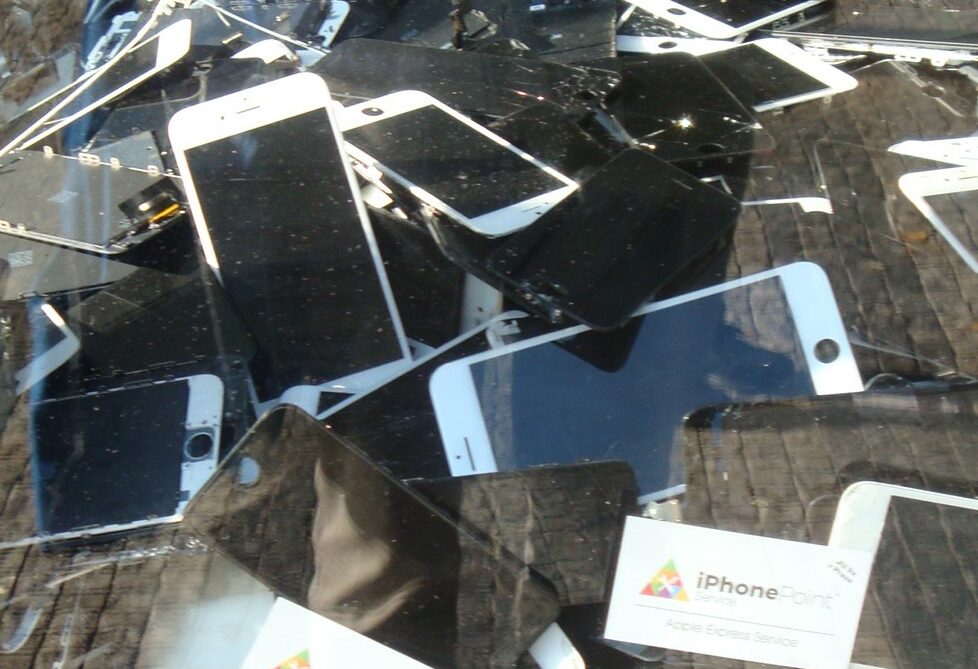
A friend once took me to the urban waste treatment plant in Kolkata and I had the strange experience of looking into the stomach and intestines of a huge organism. Across an enormous field, human beings were processing from the right to the left the urban garbage stream in a kind of digestive process. It looked more organized than the thousands of people searching for recyclable material in the huge landfills and municipal waste dumps in Lagos, Rio de Janeiro and Manila. It is big contrast with the large incinerator near Amsterdam. It is all about ‘waste’ and these place all emit large amounts of the ghg methane (CH4).
When do I call something ‘waste’? In Nature, it seems, there is no such thing as ‘waste’. Waste is also emotion, with its own beauty, as Burtynsky shows in his photos of polluted landscapes (www.edwardburtynsky.com/photographs-index). In everyday life, stuff is waste when it is no longer useful and discarded in a container. It is garbage when stuff is scattered in places where it doesn’t belong and is harmful or illegal or both. Near-synonyms like litter, rubbish, trash and debris suggest variety. If you have no notion of utility, waste doesn’t exist. And when you want to be virtuous, as an old lady in my neighbourhood, make collecting garbage in the streets a civic duty, a personal achievement or a sport. Recycling can be so self-gratifying…
Yet, waste is gradually becoming a raw material for municipalities who wish to keep cleaning up affordable and for entrepreneurs with innovative chemical and engineering plans. It becomes part of a commodity chain, with quality, prices and markets. It is part of a waste hierarchy: prevention and design minimization, reuse, recycling, energy recovery and disposal (landfilling; incineration w/o energy recovery). The less diluted the valuable materials in it are, the more potential work or exergy it contains and the higher the price one can get.
 What about packaging?
An enormous amount of ‘waste’ generation is from packaging. Paper and cardboard, plastics and metals are all used to package goods, in boxes, wraps, cans – and the online sales has probably increased the waste flow. Paper and cardboard have a long history in recycling, as waste paper is in principle a valuable feedstock. However, the recycled product has not (always) the properties required and there is downgrading in the chain. If left to private business and market forces, collection and recycling may not or slowly take off because of fluctuations in price and quantity. Forms of collective organization by municipality and/or state are necessary.
The same can be said about metals and plastics. Metals are most easily collected and recycled as many of them are in packaging used in a limited number of applications. Plastic is hugely important in packaging. One number out of many: for every 100 gram of food items people purchase in The Netherlands, they ‘consume’ 1,2 gram of plastics (Navarre et al. 2022). The absolute flows are largest for items like bottles.
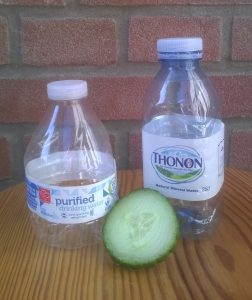
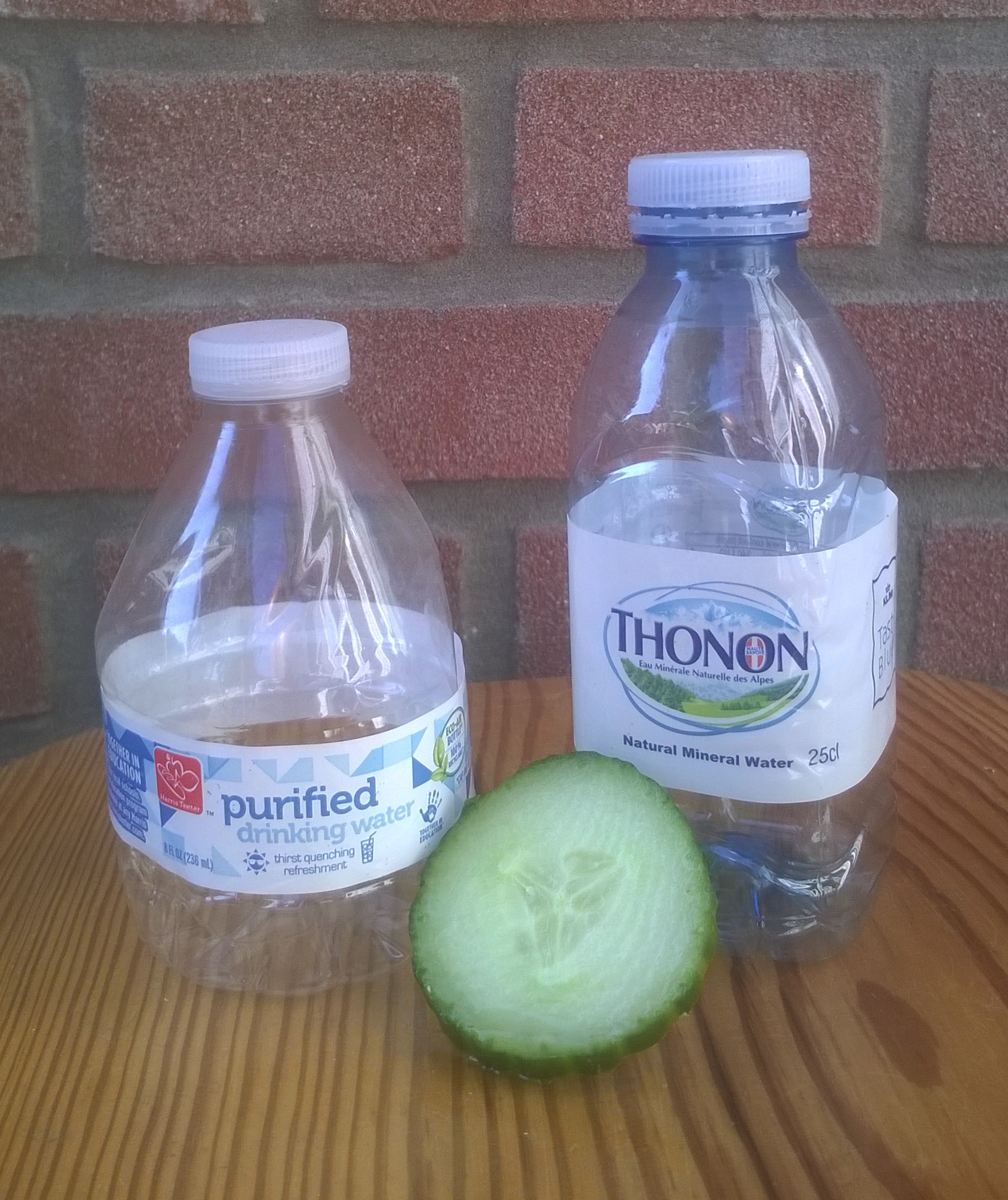
For decades, there are verbal battles between environmentalists and the (packaging) industry. The industry keeps promoting the conveniences and mitigate the environmental and social impacts : ‘can packaging is done since 1810 and has a bright future… without cans no industrial development… plastic wrap around cucumber gives longer lifetime…’. Corporations point at the great improvements in efficiency: thinner, stronger, lighter – and more progress to be expected. Their preferred solutions are education of citizens and focus on comprehensive tracking and tracing systems across the chain. Effective collection and processing of waste flows turns out to be a more challenging task than expected, from an engineering and a managerial point-of-view. Finally, it seems, deposit cans and bottles are being introduced.
For instance, every year 470 billion plastic bottles are produced by the beverage industry – almost 60 for every human every year. They are a major cause of sea pollution. The Coca-Cola company, the leading producer of beverages in the world, switched in the 1950s from glass bottles with return, wash and refill to disposable plastic bottles. The environmental costs of pollution were externalized on society. Attacked by NGOs for this strategy, the company has published ambitious recycling goals, but these are often not met, in particular in poor countries where the infrastructure for collection and recycling is lacking (ZDF 2021).
 Needs and ‘waste’: ballpoint pens
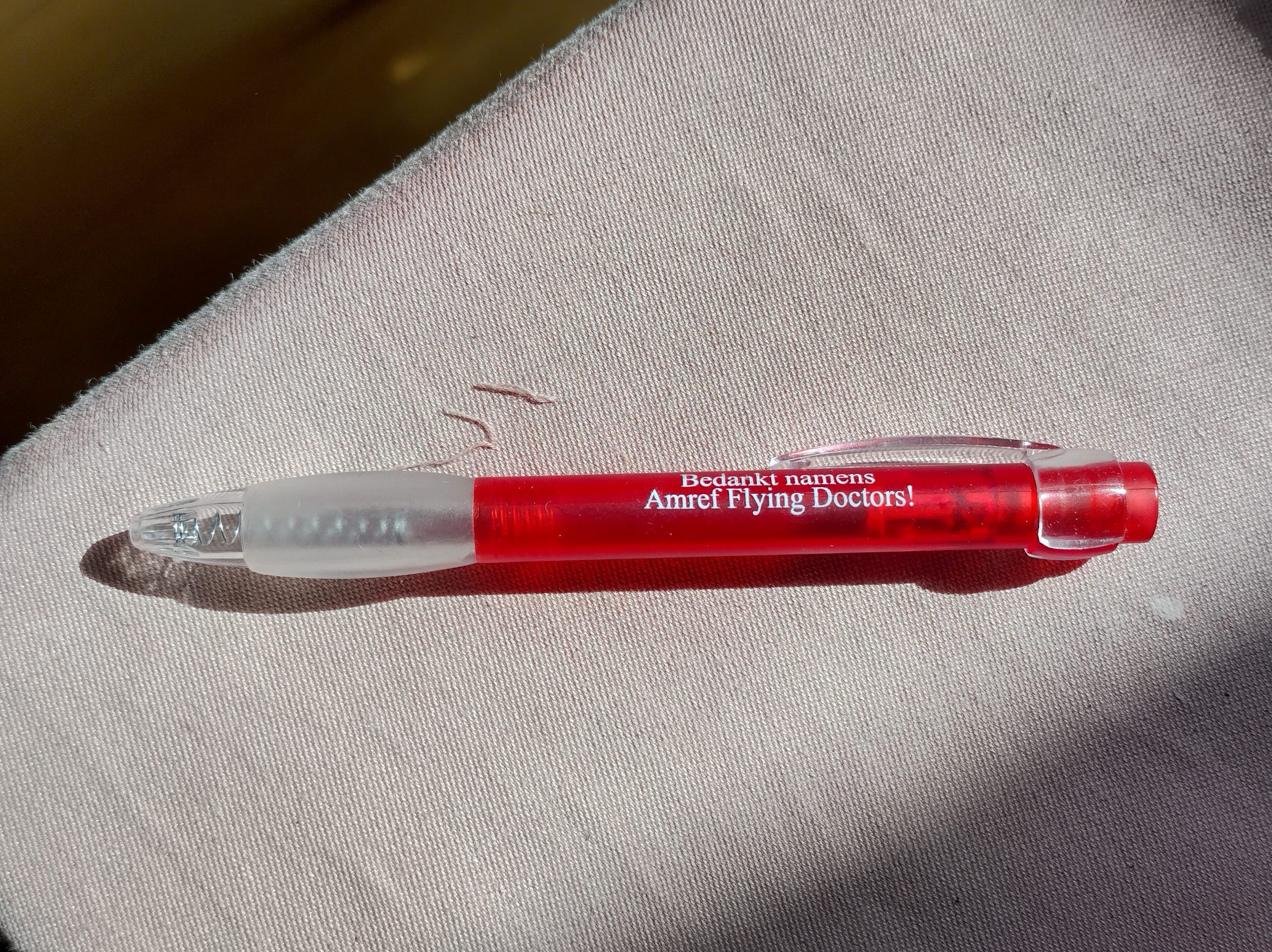
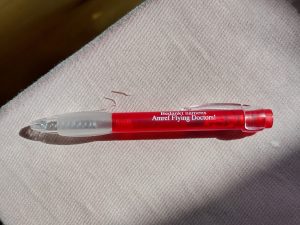
About a year ago I received a small package, in it a ballpoint – see photo. I did not ask for it but apparently I was on the mailing list and it was meant as a present to reward a donation – and receive follow-up. It weighs about 30 grams. When the ink is finished, I cannot replace the inkholder of 3 or 4 grams. I’m supposed to dispose of the metal case.
Starting a search on ballpoint pens on internet, I discovered that the French company BIC invented in 1940 the ballpoint pen and sold between 1950 and 2005 more than 100 bln of such disposable pens – besides millions of lighters and razor-blades (www.bbc.com/future/article/20201028-history-of-the-ballpoint-pen). ‘The cheap pen that changed writing forever’. These billions of ballpoint pens have another lasting legacy. In the USA alone, more than 1.6 bln ballpoint pens are thrown out every year. It creates an enormous amount of plastic waste.
Of course, the ballpoint is still heralded as a timeless object and cultural artefact, see for instance https://plastics-themag.com/The-4-colour-BIC:-a-timeless-50-year-old-pen. However, ballpoint pen manufacturers too are aware of this plastic pollution crisis. BIC themselves make a range of pens produced from 74% recycled plastic. More producers are promoting the idea of refills for plastic pens, and not just the metal ones that come with premium price tags. Other pen manufacturers have replaced the plastic body with tubes made of cardboard, or metal – the very material the first premium ballpoints were made of more than seven decades ago. Our digital-first culture might celebrate screen over paper, but Sax believes the cheap ballpoint is here to stay.
Leave A Comment